Case study · Mapa do Acolhimento
How Mapa found confidence in their design choices with Chayn’s trauma-informed resources
Mapa is a Brazil-based organisation addressing gender-based violence through direct support, government partnerships, and strengthening civil society. The 15-person team at the time was facing an enormous challenge. They were cautious by habit, keeping their learnings behind closed doors. Watching how Chayn works in the open gave them permission to loosen up, and produced several tangible outcomes.
A cautious team with no guidebook to follow
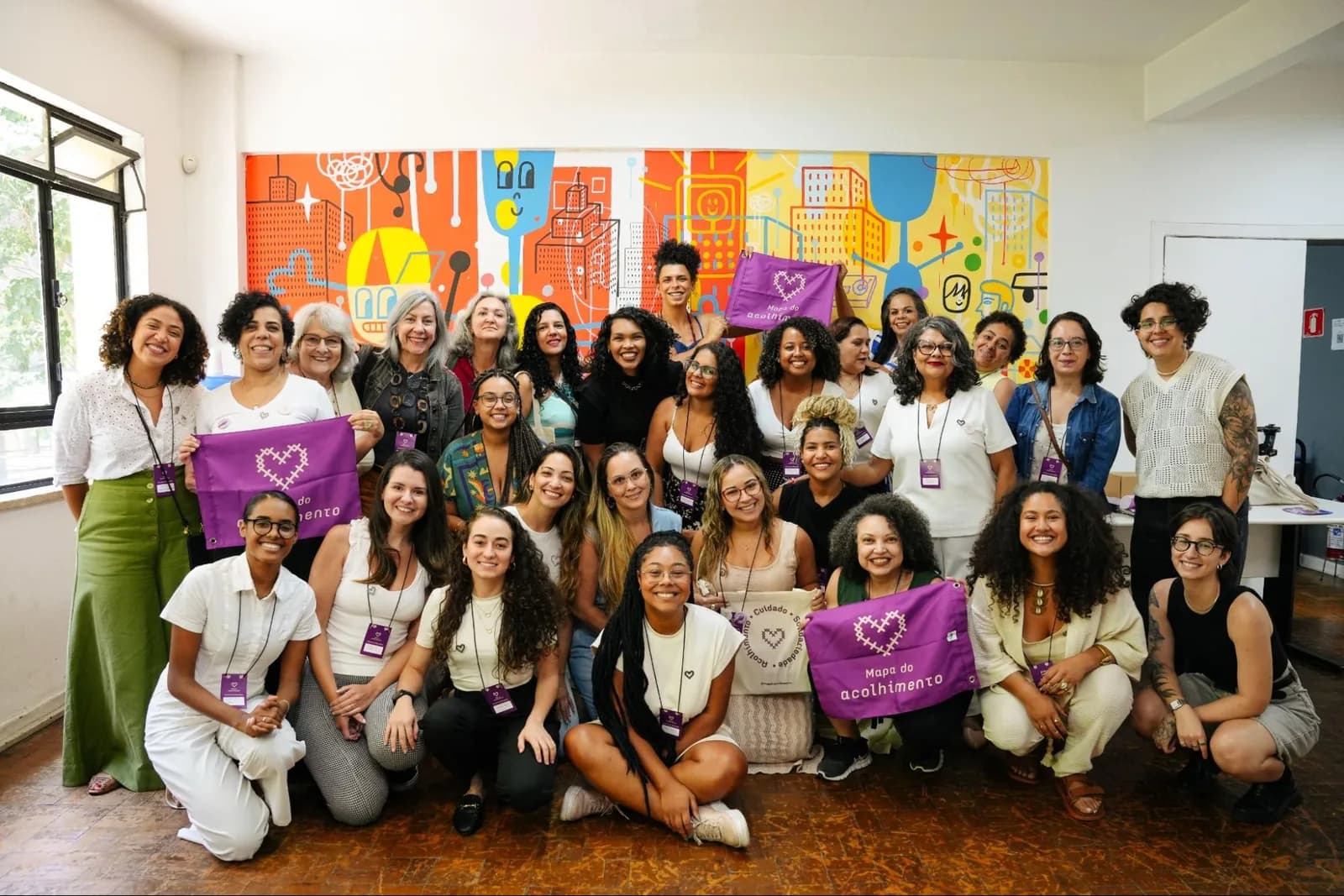
Mapa began in 2016 as an incubated project addressing the crisis of sexual violence in Brazil, building a network of volunteers to provide mental health support to survivors. After some years, they grew so much that it has become an ongoing and expanded effort, covering all types of gender-based violence, expanding the call to include volunteer lawyers who also provide access to justice to women from the north to the south of Brazil.
They spun off as an independent organisation in 2023 and now run three programmes: direct service provision, which uses geolocation to match volunteers with survivors and AI to train volunteers, alongside newer work improving how governments implement Brazil’s GBV legislation and strengthening feminist civil society networks.
The 15-person team was up against a problem Enrica Duncan, who used to lead the organisation, described as enormous, in a field with almost no precedent to work from. “There is no guidebook for the activities that we’re doing,” she said. “We will have to be inventing the wheel.” That combination, in a sector where organisations typically present their best face, had made them cautious about sharing findings and learnings openly.
We’re always supposed to be talking about how amazing our outcomes are and how incredibly productive and cost-effective. And seeing you guys say, nah, this did not work out, kind of authorises us to also talk about these things.
Learning from Chayn how to work in the open
Enrica first encountered Chayn years ago, but the moment that stayed with her was how different it felt from other organisations working in this space. It wasn’t just what Chayn was doing, it was how openly they were doing it.
I didn’t know any of your team before meeting Hera. And I already felt like, oh, I know how they work. I can actually trust them.
Enrica recalls a conversation with Cindy Southworth from Meta about Mapa’s new AI work. She pointed her towards Little Window, a chatbot Chayn trialled and then discontinued in 2020 after finding it wasn’t sufficiently supporting survivors: “She was like, did you read how Chayn discontinued their work? You should do that so that you learn from them.”
Having open conversations, not being afraid of talking about things that didn’t work, I think that’s really generous and very uncommon in our sector. Things that didn’t work teach us so much more than things that actually worked.
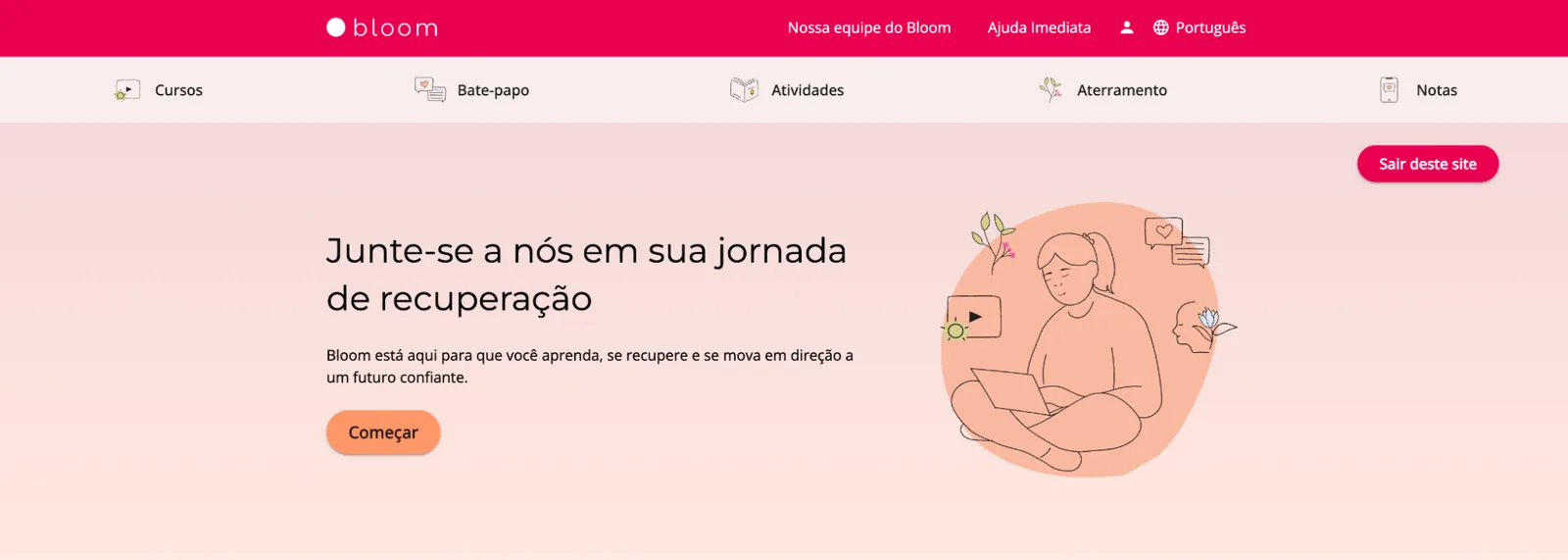
Mapa applied Chayn’s approach to other decisions too. Sany Silva, Mapa’s communications manager, spent years as a one-person team making design choices with nothing external to check them against. She had been using illustrations throughout their work, avoiding the images of violence that could re-traumatise survivors, the kind the Brazilian government often uses. She worried the approach might make their work seem less serious or too childish.
But because Chayn publishes its reasoning as well as its output, down to the decision not to give the illustrations a specific gender, Sany could see that Chayn had arrived at the same decision she had, and why. Finding that her own decision matched Chayn’s gave her both the language for her choice and the confidence it was the right one.
Confidence in their design choices
When I knew Chayn, and when I read your articles about using illustrations and graphic design, I felt safer in my own decision of using illustrations at Mapa. It helped me to find my own way to balance the use of illustrations and real people in our communication.
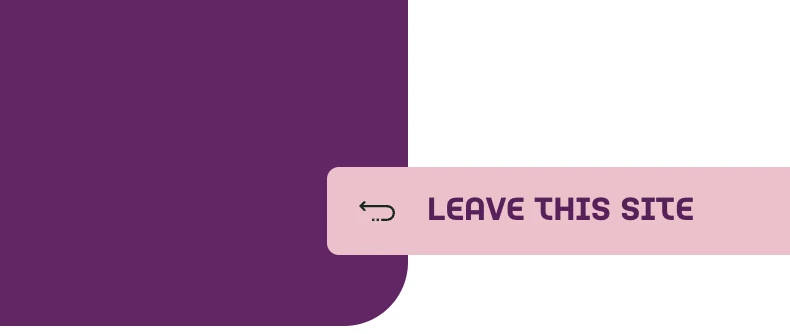
That confidence carried into the website Sany led the renovation of. The website team referenced Chayn’s site repeatedly in planning meetings, particularly one feature: the quick exit button, which lets anyone reading about abuse close the page instantly if someone walks in behind them. For survivors who may share a device or a home with the person harming them, it can be the difference between looking something up and not taking that risk. “This is something we should be doing,” Enrica remembers thinking. Mapa’s new site now has one, something that wasn’t there before.
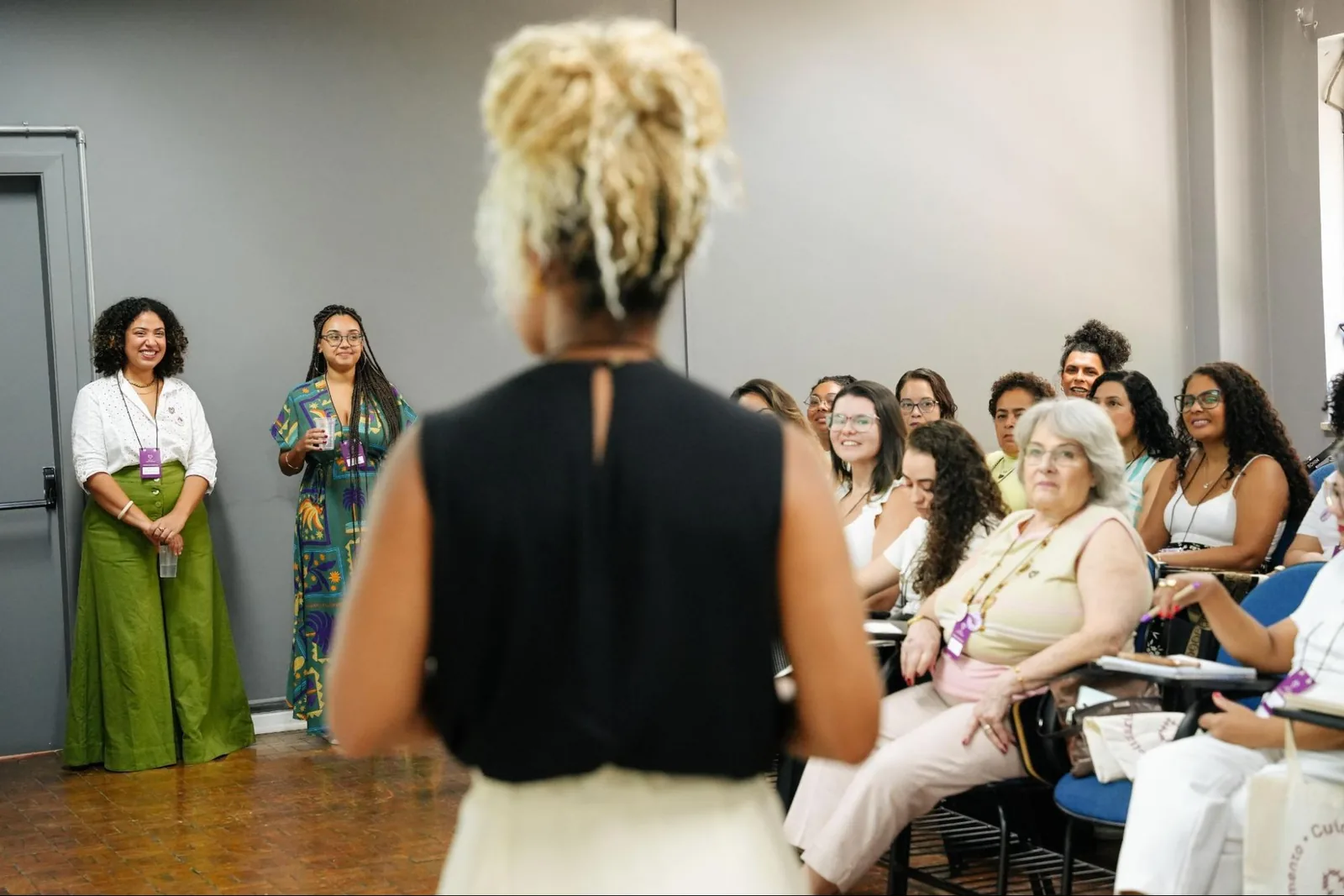
Sany also coordinated a volunteer meetup in January as a pre-launch for the site, prompted by a post of Hera’s inviting anyone interested to join her and a few Chayn colleagues for an evening in London. “I would never do that,” Enrica says. “I’d never thought about just opening up a meal.” Sany ran one anyway. “It was a success. It was different from what we were used to doing.”
Volunteers are next. “You have a very co-creation approach to them, and I don’t think we work like that. We are very top-down,” Sany says. “This is something we need to learn from you.” This year’s strategy centres on engaging volunteers more directly and opening space for survivors to tell their stories in first person.
Building together
Our conversation with Mapa reminded us that creating impact in this space isn’t always about providing direct services.
Sometimes it’s about being part of an ecosystem. It’s about creating the conditions where other organisations are able to grow, where they have models to reference, where they feel less alone in navigating impossible challenges.
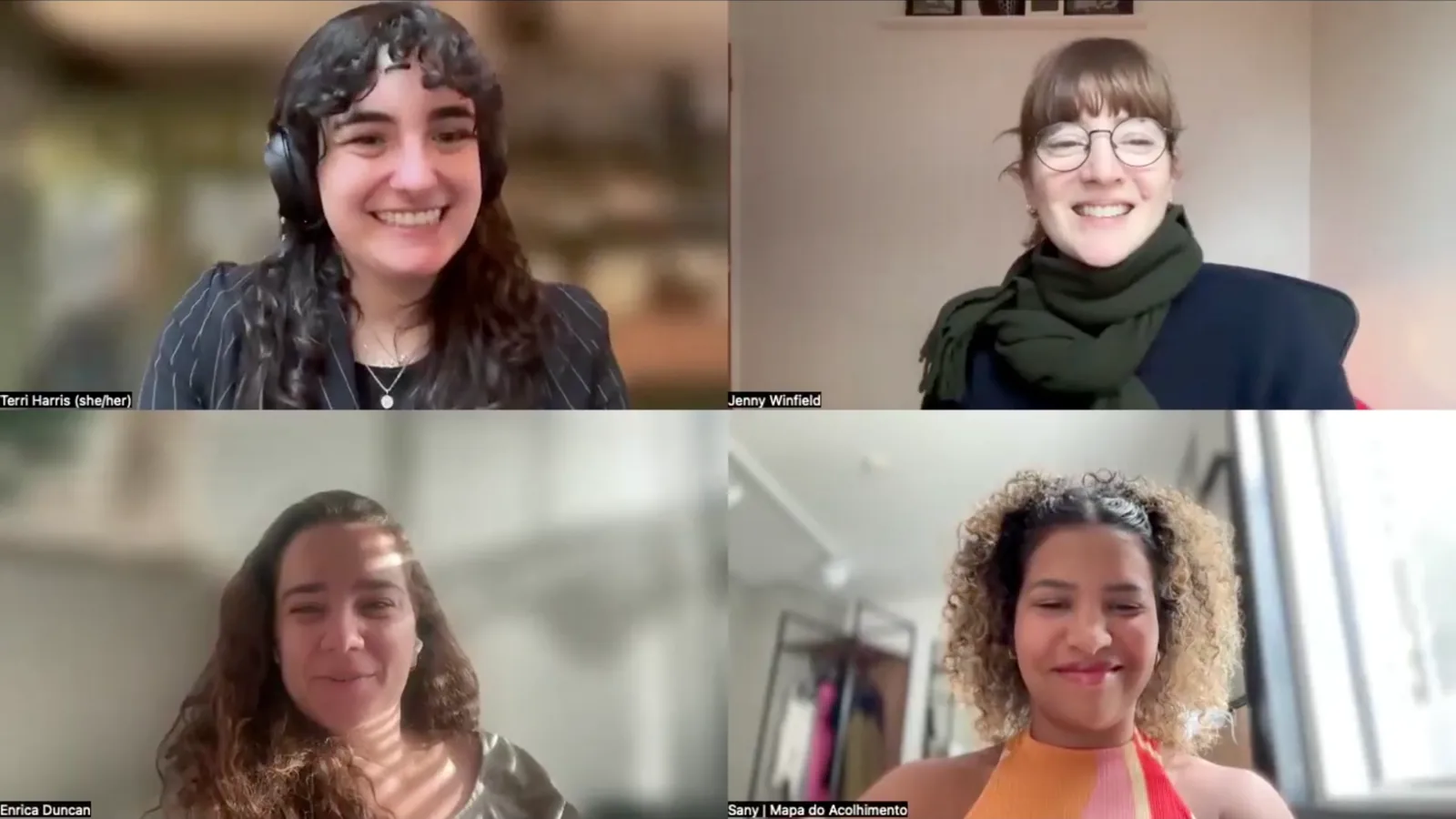
If you’re working on gender-based violence, facing similar questions about measuring impact, wondering if your design choices are right, or grappling with how best to present your learnings, know that others are navigating the same challenges. Know that other organisations are facing similar struggles, and they want to give and receive learnings. So please, put them on the internet. Make them accessible. Openness creates permission for others to experiment, confidence to trust their instincts, and community to keep going.
All Chayn resources are published under a Creative Commons Attribution licence, so they are free to use, reuse, adapt, and share. If you find what we do valuable, please draw on our resources, strategies, and design principles. And when you do, we’d love to hear your story and share it too.